Booking choice: The 2-day sunrise climb from Tokyo, ★ 5.0 (5). Check dates Compare the options below
For decades, climbing Fuji meant turning up at a 5th station and walking. Since 2024 that has changed step by step. Yamanashi put a gate on the Yoshida Trail with a daily limit and a fee, and in 2025 Shizuoka brought the same entry hours, a fee and an online safety course to its three trails. In 2026 all four trails ran on these rules, and they are the best guide to what the next season will look like.
This guide covers whether Fuji is open now, the 2026 dates per trail, the gates and the daily limit, registration on each side of the mountain, the gear checked at the gate, why overnight bullet climbs are blocked, what a climb costs you (item by item, without figures), phone signal, what to pack, and the off-season rules and plans. How hard the climb is sits in our difficulty guide, and the four trails are compared in the trails guide.
The quick answer
The 2026 season ended on 10 September and the summit trails and huts are closed until next summer; 2027 dates are not announced yet, but the pattern is early July to 10 September. In 2026, Yoshida and Subashiri opened on 1 July, and Gotemba and Fujinomiya on 10 July. Between 14:00 and 03:00 the trails are open only to climbers with a mountain hut reservation, and the Yoshida Trail has a daily limit of 4,000 climbers (hut guests aside). All four trails charge a per-person climbing fee, paid online in advance or at the 5th station gate. On Yoshida, booking your entry online is optional but recommended; on the Shizuoka trails you must complete a short online course and quiz in the Shizuoka FUJI NAVI app first. At the Yoshida gate you need winter clothing, a two-piece rain suit and proper footwear. In season, docomo covers all four trails with 4G. Outside the season, officials strongly advise against climbing, and new notification rules are planned for autumn 2027.
Is Mount Fuji open to climb right now?
No. The 2026 climbing season ended on 10 September, and the summit trails and mountain huts are closed until next summer. Dates for 2027 have not been announced; the usual pattern is early July to 10 September.
Outside the season, Yoshida, Subashiri and Gotemba are closed from the 5th station to the summit, Fujinomiya is closed above the 6th station, and the walk around the crater rim is closed too. Any summit climb you book now is for next season. The opening can be pushed back if snow lingers high on the mountain, so wait for the official dates on the official climbing site before you fix travel plans.
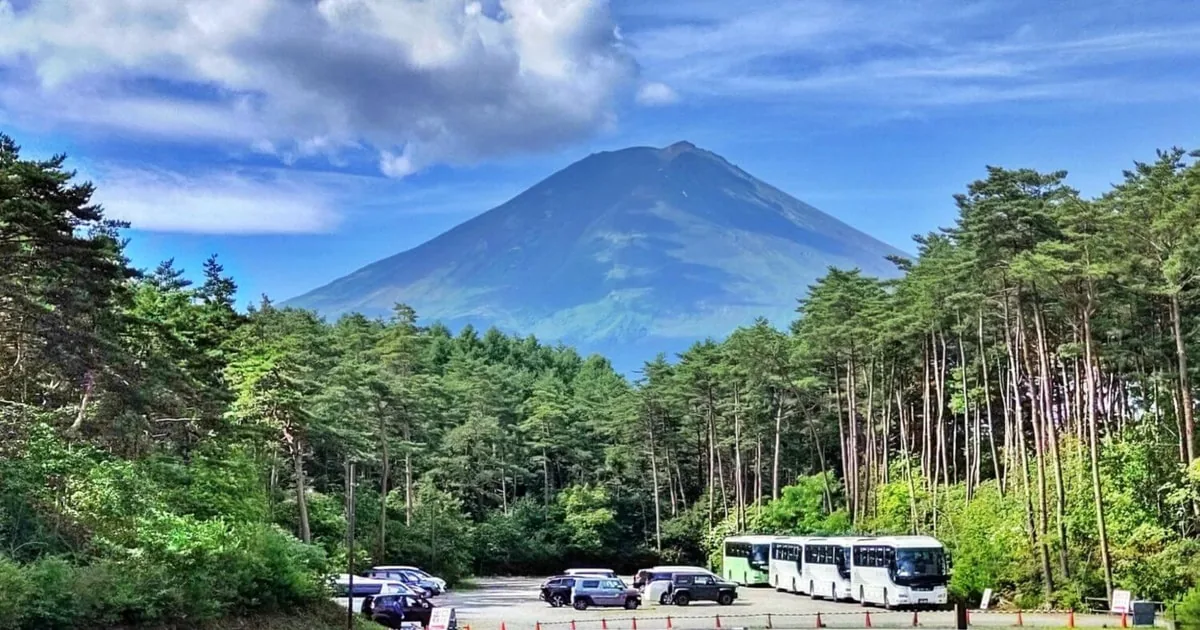
You can still see Fuji up close: the Fuji Subaru Line 5th Station is open to visitors for most of the year, snow permitting. Ideas for the months when the summit is shut are in the best time to see Fuji.
| Trail | 2026 opening | 2026 closing |
|---|---|---|
| Yoshida (Yamanashi) | 1 July | 10 September |
| Subashiri (Shizuoka) | 1 July, 9:00 | 10 September, 17:00 |
| Gotemba (Shizuoka) | 10 July, 9:00 | 10 September, 17:00 |
| Fujinomiya (Shizuoka) | 10 July, 9:00 | 10 September, 17:00 |
| Crater rim walk | 10 July | 10 September |
What are the new rules for climbing Mount Fuji?
Three rules apply on the trails in season: a per-person climbing fee on all four trails, no entry between 14:00 and 03:00 without a mountain hut reservation, and a limit of 4,000 climbers a day on the Yoshida Trail.
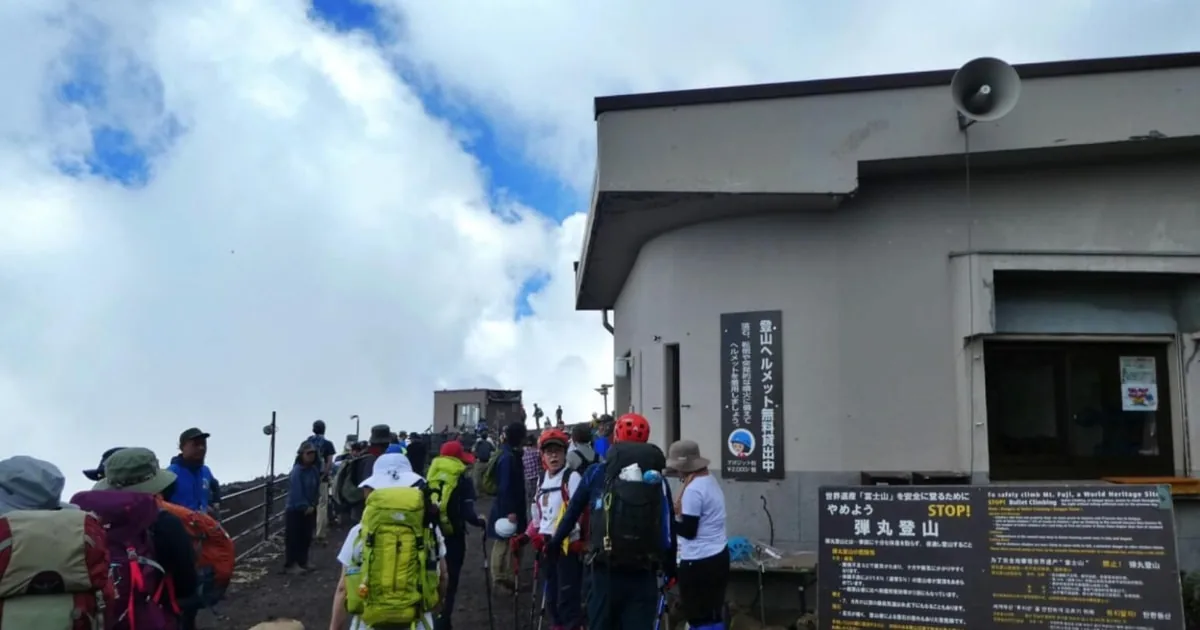
- The entry hours: between 14:00 and 03:00 the next morning, the gates at the 5th stations let through only climbers who have booked a hut. Before 14:00 or after 03:00 anyone with a valid entry can start.
- The daily limit: the Yoshida Trail takes up to 4,000 climbers a day, not counting hut guests. The Shizuoka trails have no daily limit.
- The fee: a per-person climbing fee on all four trails, paid online in advance or at the 5th station gate. It is a flat fee whatever your age; people with a disability certificate and school groups can apply for an exemption.
- Staff instructions: gate staff can turn you back if you are not properly equipped or the conditions are bad, and you are expected to follow them.
The rules came in over two years. Yamanashi started on Yoshida in 2024; in 2025 the gate there moved to 14:00 and Shizuoka added the same hours, a fee and an online course on Subashiri, Gotemba and Fujinomiya. About 205,000 people climbed in 2025, a little over half of them on Yoshida.
Let someone else handle the paperwork: the 2-day sunrise climb takes care of mountain registrations and climbing fees, and books your hut near the crater rim.
Check dates for the 2-day sunrise climb from TokyoHow do you register to climb Mount Fuji?
It depends on the side of the mountain. On the Yoshida Trail you can book your entry and pay the fee online in advance, or do it at the gate on the day. On the Shizuoka trails you must complete a short online safety course and quiz before your climb.
- Yoshida (Yamanashi): online booking with advance payment is optional but recommended, because the trail can hit its daily limit. You can also register and pay at the 5th station gate on the day while places remain.
- Subashiri, Gotemba and Fujinomiya (Shizuoka): in the Shizuoka FUJI NAVI app you watch a short e-learning course and pass the Mt Fuji test, which gives you an entry certificate with a QR code. You pay the fee online or on site. In 2026 registration opened on 8 May.
- Hut booking: reserving a mountain hut is a separate step with the hut itself. The trail booking does not reserve a bed, and a bed does not register you for the trail.
- With a tour: guided climbs usually handle the registrations and fees for you; check what the listing says.
How the hut night fits into the climb is in the one day or overnight guide. The official climbing FAQ has the current steps for each trail.
What should you pack for Mount Fuji?
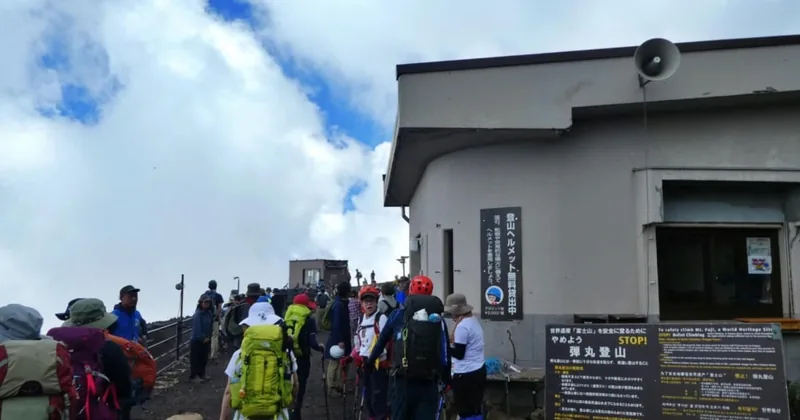
Warm layers, a two-piece rain suit and sturdy high-cut boots come first: on the Yoshida Trail you are checked for winter clothing, separate rain gear and proper footwear at the gate. Add a headlamp, water, snacks and a small first-aid kit.
- Checked at the Yoshida gate: winter clothing (a fleece or down jacket, hat and gloves), a two-piece rain jacket and trousers rather than a poncho, and proper hiking footwear.
- Boots: high-cut and already broken in. The upper trail is loose volcanic scree and the descents are long.
- Headlamp: essential if you walk before dawn for the sunrise, with spare batteries.
- Pack: about 30 litres is enough for a hut night.
- Water and snacks: huts sell drinks and snacks, but carry enough to reach the next one.
- Also useful: trekking poles, sunglasses and sun cream (the sun is strong above the clouds), coins for the toilets on the mountain, a small bag for your rubbish, and a phone power bank.
Guided climbs often rent out the heavy items, so you do not have to bring boots and rain gear from home.
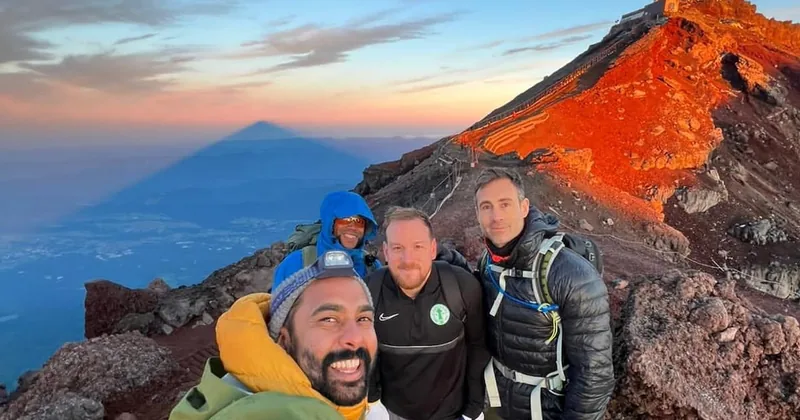
The 2-day sunrise climb from Tokyo fits you with hiking gear before you set off, with the rental included, then climbs the Fujinomiya Trail with one guide to six guests, sleeps in a hut near the crater rim with dinner and breakfast, and handles registrations and fees. Summer season only; rated 5.0 from 5 reviews so far, and full refund if you cancel up to 24 hours ahead.
Explore the 2-day sunrise climb from TokyoWhat is bullet climbing and why is it blocked?
Bullet climbing (dangan tozan) means walking up overnight from the 5th station without a hut stay to catch the sunrise, then coming straight down. The 14:00 to 03:00 gate rule exists to stop it, and overnight bullet climbs without a hut booking are no longer possible.
Officials discouraged it for years because it combines the worst of the climb: no sleep, a fast gain of well over 1,000 m in the dark, and the coldest hours of the night at the top. That is when altitude sickness and hypothermia set in. Since the gates came in, reports from the Yoshida Trail say bullet climbing has almost disappeared.
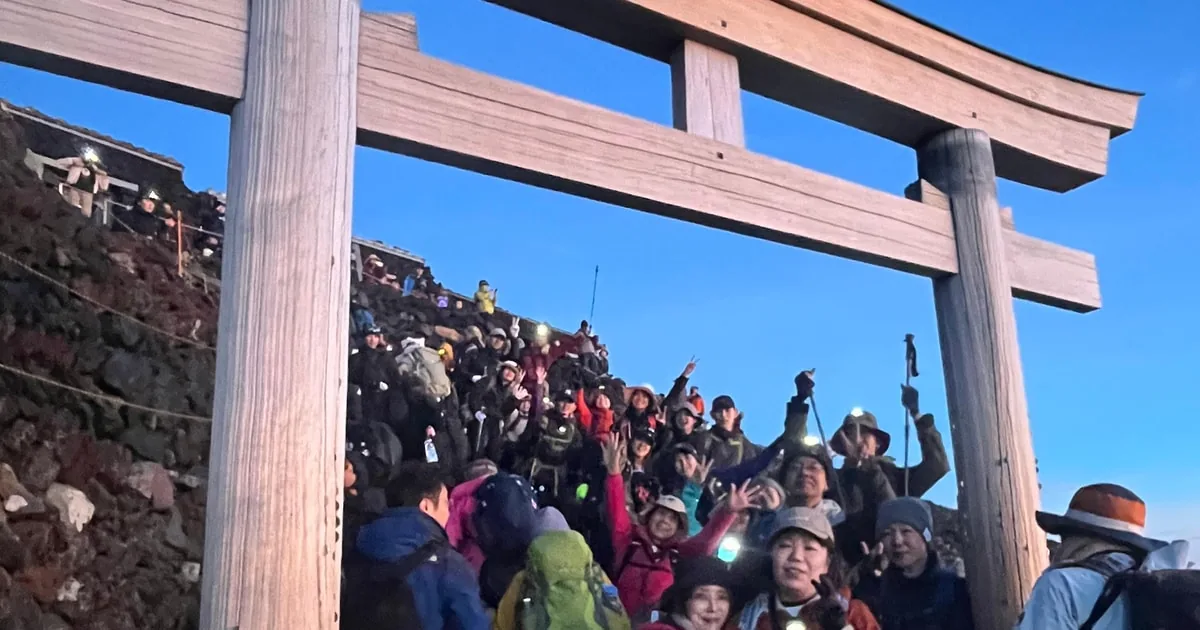
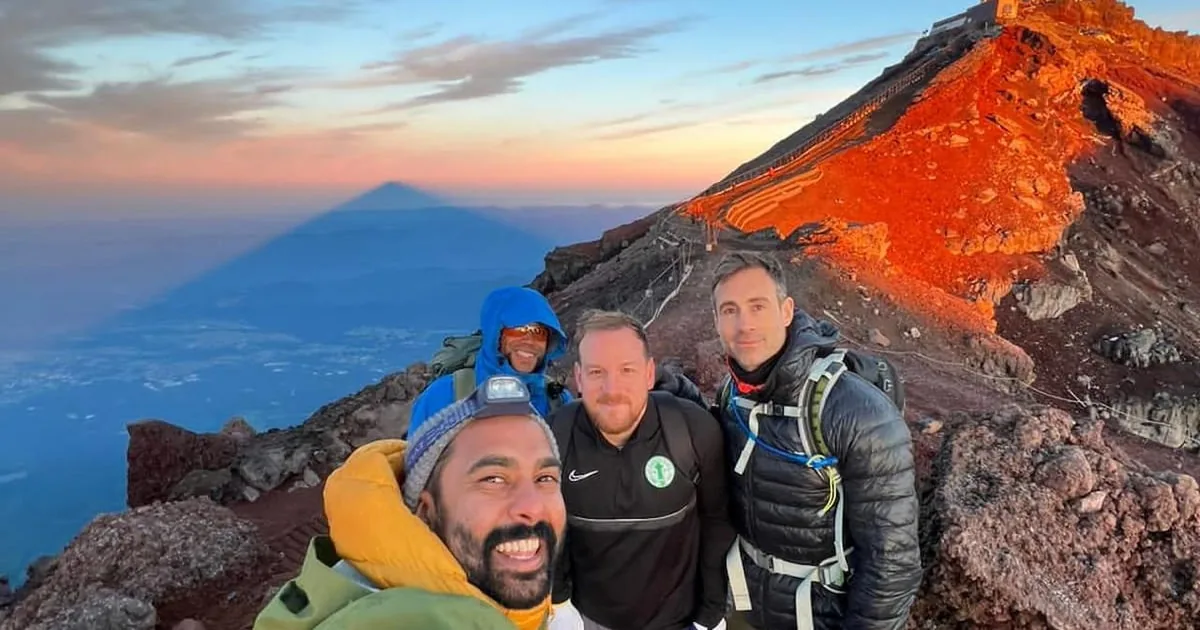
The alternative is simple: start in the late morning or early afternoon, sleep in a hut at the 7th or 8th station, and walk the last stretch before dawn. A night in a mountain hut lets your body adjust to the altitude. Fuji is safe to climb when you go in season, stay a night in a hut, walk slowly, and carry warm clothes and rain gear. A sample two-day timetable is in the one day or overnight guide.
How much does it cost to climb Mt. Fuji?
Less than most mountain trips of this size, but it adds up from five items: the climbing fee, the hut night, transport to the 5th station, gear, and a guide if you want one. The hut night is usually the biggest single cost if you climb on your own.
- The climbing fee: a per-person fee on all four trails, the same for every age, paid online in advance or at the 5th station gate.
- The mountain hut: a bed for the night, usually booked with dinner and breakfast. Weekend nights in peak season fill first.
- Transport: a highway bus or train and bus to the 5th station and back, or a car with parking and a shuttle in the summer months when private cars are kept off the mountain roads.
- Gear: boots, a rain suit and warm layers. Renting in Tokyo or through a tour costs much less than buying for a single climb.
- On the mountain: drinks, snacks and toilet tips at the huts, which cost more the higher you go.
- A guide (optional): a guided climb costs several times more than climbing on your own, but it can include the fee, transport, gear and the planning.
Whether a guide is worth it for you is in with a guide or without.
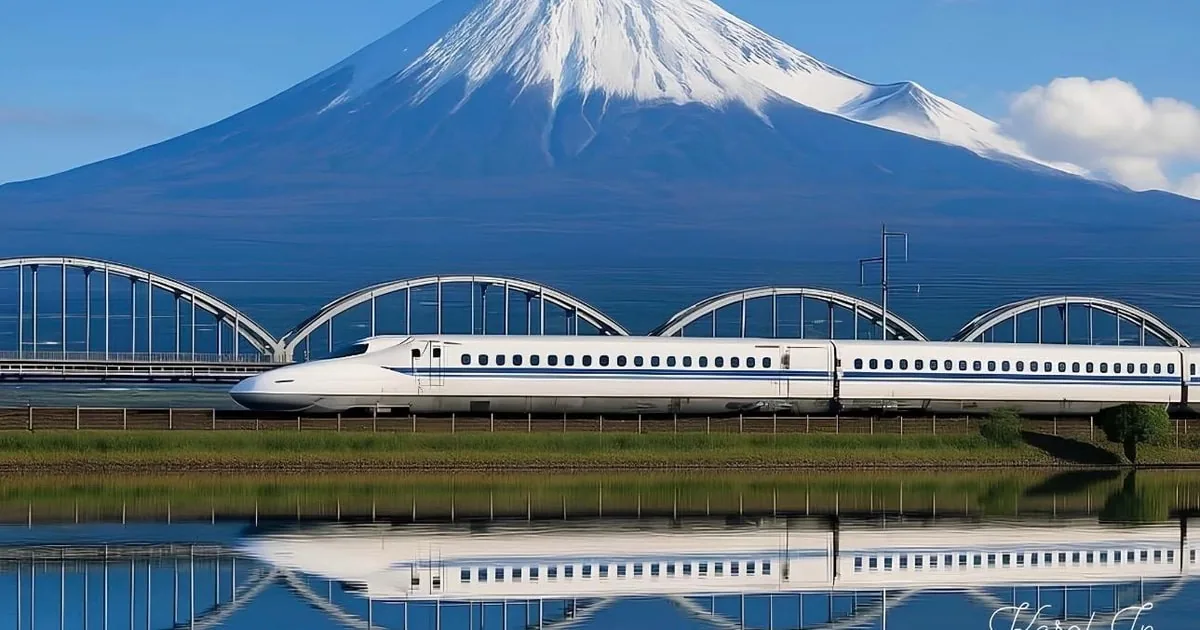
A private mountain guide on the route you choose, with the climbing fee and your transport option included: the guided 2-day summit climb.
Check dates for the guided 2-day summit climbIs there cell service on Mount Fuji?
Yes, in season. docomo covers all four trails, the huts and the summit with 4G, and both docomo and SoftBank have 5G on part of the summit; Rakuten also has service at the summit. Outside the season reception is poor.
The carriers set up extra antennas for the climbing season, so coverage is planned for roughly early July to late August and depends on the carrier's own dates. Signal can still drop in folds of the mountain, and batteries drain fast in the cold, so keep your phone in an inside pocket and carry a power bank. Download your hut booking, entry QR code and a trail map before you leave, rather than counting on signal at the gate.
If you use a foreign SIM or eSIM, check which Japanese network it roams on before you go.
| Network | Coverage in the 2026 season |
|---|---|
| docomo | 4G on all four trails, the huts and the summit; 5G on part of the summit |
| SoftBank | 5G on part of the summit |
| Rakuten | Service at the summit |
| Off-season | Poor on every network |
Can you climb Mount Fuji outside the season?
Officially, no one should: outside the season the summit trails are closed and the huts are shut, and officials strongly advise against climbing. Anyone who still goes must submit a climbing plan and carry out their own waste.
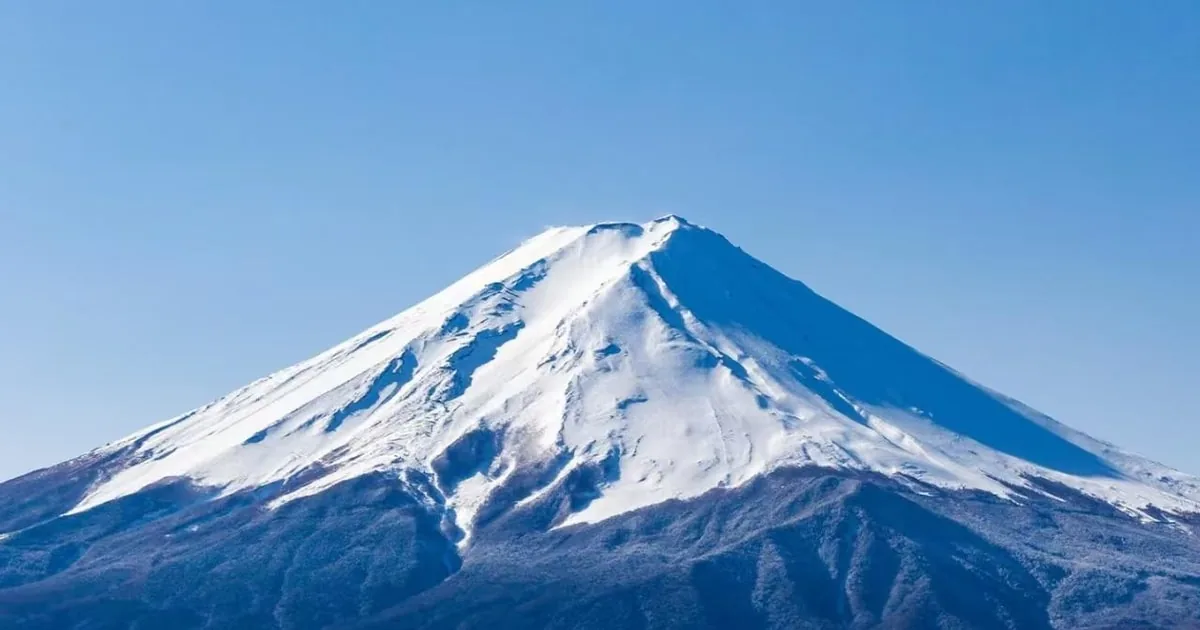
From September to June the upper mountain is a winter peak, with no staffed huts, first-aid centres or toilets, and trails that are not maintained. Entering closed trail sections can be penalised. The official off-season page sets out what it asks of climbers: a climbing plan submitted to the police, a portable toilet, and everything carried back down.
Both prefectures announced further plans in September 2026. Yamanashi plans to require off-season climbers to file a notification and to charge for rescues by its disaster-response helicopters, reviewed case by case, from autumn 2027. Shizuoka plans to make off-season notifications mandatory, with a penalty for people who did not file and need rescue, also by autumn 2027. These are plans, not rules in force yet. For the months between seasons, Fuji is best enjoyed from the lakes, parks and lower trails.
Frequently asked questions
When does the Mount Fuji climbing season start in 2027?
The 2027 dates have not been announced yet. The usual pattern is early July to 10 September; in 2026 Yoshida and Subashiri opened on 1 July and Gotemba and Fujinomiya on 10 July. Check the official climbing site in late spring.
Do children pay the Mount Fuji climbing fee?
Yes. The fee is the same for every age. Exemptions exist for people with a disability certificate and for school activities, on application.
Can I start climbing Mount Fuji after 14:00?
Only if you have a mountain hut reservation. Between 14:00 and 03:00 the gates at the 5th stations let through hut guests only, on all four trails.
Is the Shizuoka online course hard?
No. It is a short video course on safety, manners and the rules, followed by a quiz in the Shizuoka FUJI NAVI app. Once you pass, you get an entry certificate with a QR code to show at the 5th station.
Ready to book
Choose your hike
Check your date and the live price on GetYourGuide; the refund terms are shown on each option.
2-Day Sunrise Climb from Tokyo, Hut Stay
- Guided climb with one guide to six guests
- Hiking gear rental and a safety briefing
- Hut night near the top with dinner and breakfast
Guided 2-Day Summit Climb, Your Route
- A professional mountain guide, just for your group
- The Mount Fuji climbing fee
- Transport as in the option you choose