Booking choice: The Five Lakes day trip, ★ 4.8 (6,062). Check dates Compare the options below
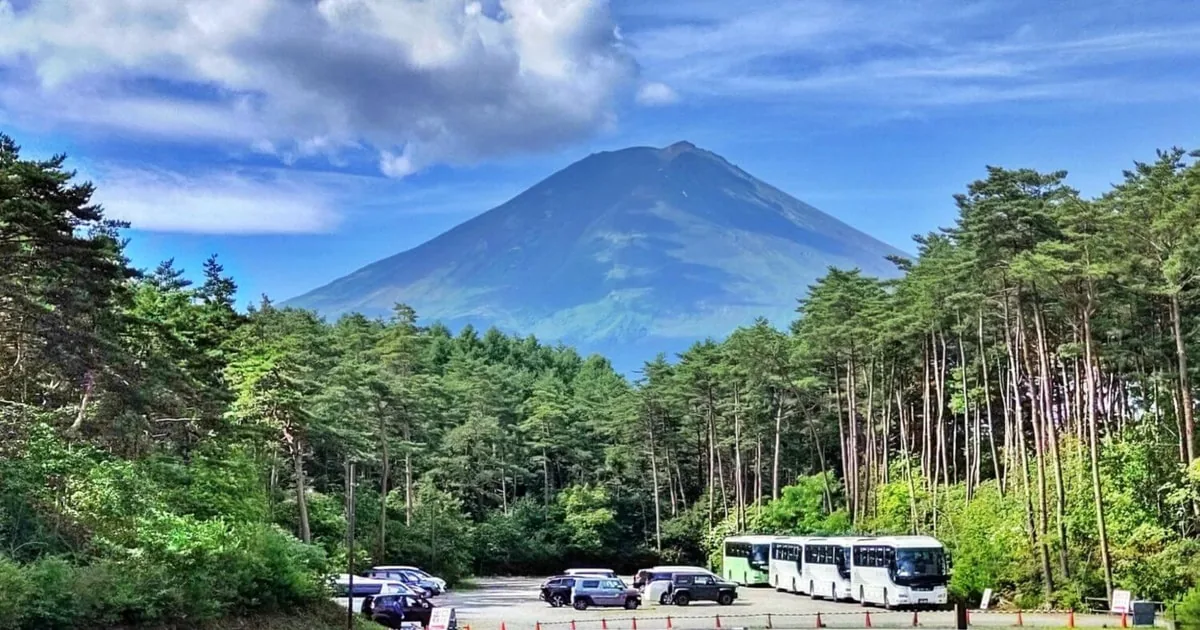
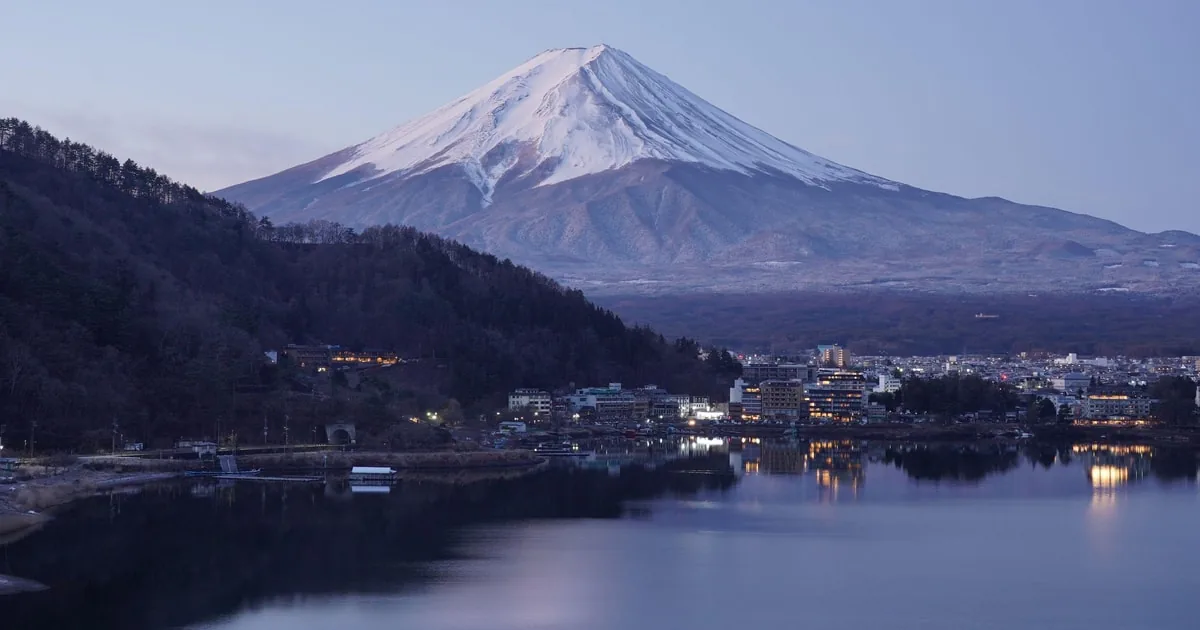
Mount Fuji is famous for being shy. On a clear winter morning it stands over the lakes so sharply that you can see the ridges in the snow; on a humid summer afternoon it can vanish completely, even from the shore of Lake Kawaguchi. Timing is most of the art.
This guide covers the best months and hours to see Fuji, why the best time to climb and the best time to look are opposites, what you can do when the summit trails are closed, the classic viewpoints, the Aokigahara forest and its lava caves, a few easy walks, and the day tours from Tokyo compared. If you want to go to the top, start with the rules and season guide.
The quick answer
November to February has the clearest views, and mornings are clearer than afternoons; June to August is the cloudiest stretch. In 2025, Fuji City saw the mountain fully clear at 8:00 on only a handful of mornings a month from June to August, and on about 19 to 22 mornings a month from November to February. When the summit is closed, you can take a bus to the Fuji Subaru Line 5th Station for most of the year, snow permitting, climb the 398 steps to Chureito Pagoda, walk the north shore of Lake Kawaguchi at Oishi Park, ride the Panoramic Ropeway or walk up Tenjoyama, see the banknote view at Lake Motosu, and walk through the Aokigahara forest to its lava caves. The most booked day tour from Tokyo is rated 4.8 from over 6,000 reviews; no tour can promise the mountain will be out.
What is the best month to see Mount Fuji?
November to February. The air is dry and cold, and on most mornings the mountain is clearly visible. June to August is the cloudiest period, with only a handful of fully clear mornings a month.
Fuji City, on the Shizuoka side, records every day whether the mountain is visible from its city hall. Its 2025 counts of mornings with Fuji fully in view at 8:00 show the pattern clearly: around 19 to 22 a month from November to February, fewer in spring and autumn, and only 2 to 5 a month in summer. Other years differ, but the shape is always the same.
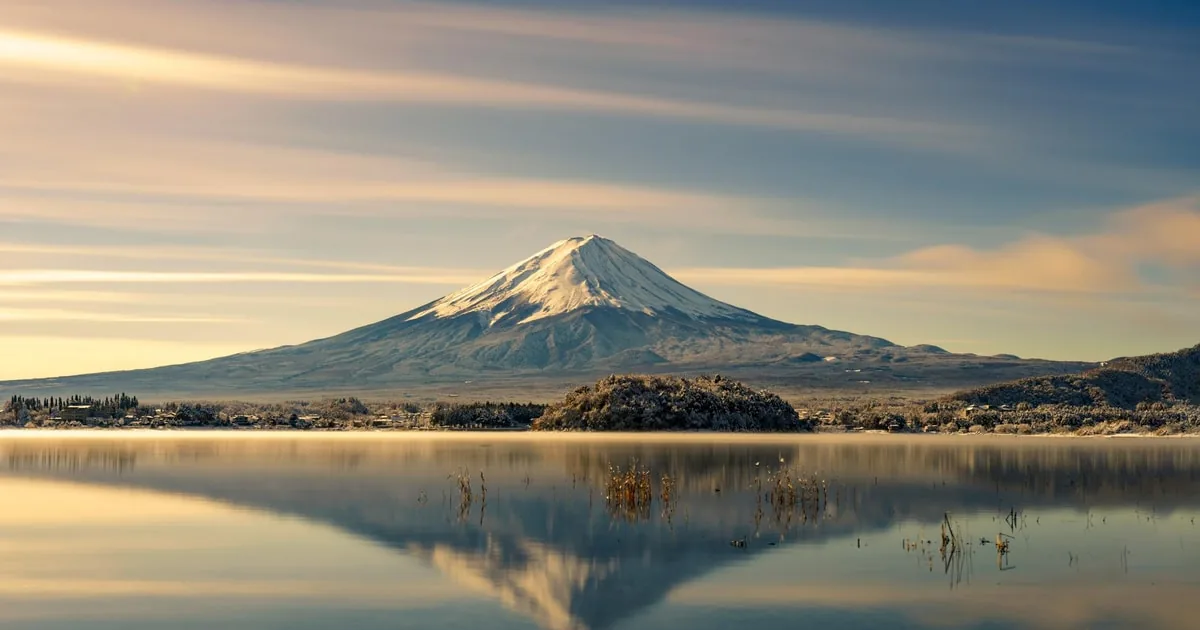
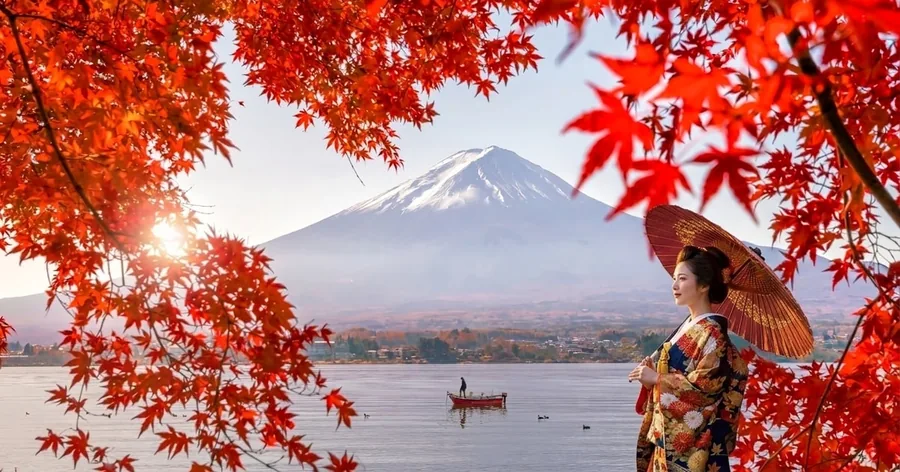
Each season has its own look. From December to April the cone is white; cherry blossom around the lakes comes in early to mid April; autumn colour peaks around late October and November; and in summer the mountain is dark volcanic rock, often wrapped in cloud by mid-morning.
| Months (2025) | Fully clear mornings at 8:00 | What to expect |
|---|---|---|
| November, December | 19 each | Clear air, first snow on the cone, autumn colour at the lakes |
| January, February | 19 and 22 | The clearest and coldest months; a white cone |
| March to May | 9 to 13 | Changeable; cherry blossom in early to mid April |
| June to August | 2 to 5 | The cloudiest months, and the climbing season |
| September, October | 6 and 10 | Typhoon season early, clearing later |
What time of day is Mount Fuji most visible?
Early morning. As the day warms up, clouds tend to build around the mountain, so a view at 8:00 is far more likely than one at 15:00. Sunset can clear again on dry winter days.
If you are staying at the lakes, look out of the window at first light before you plan the day, and go to your favourite viewpoint first. From Tokyo, the day tours leave around 7:30 to 8:00 and reach the lakes by mid-morning, which is still a good window in winter and a gamble in summer.
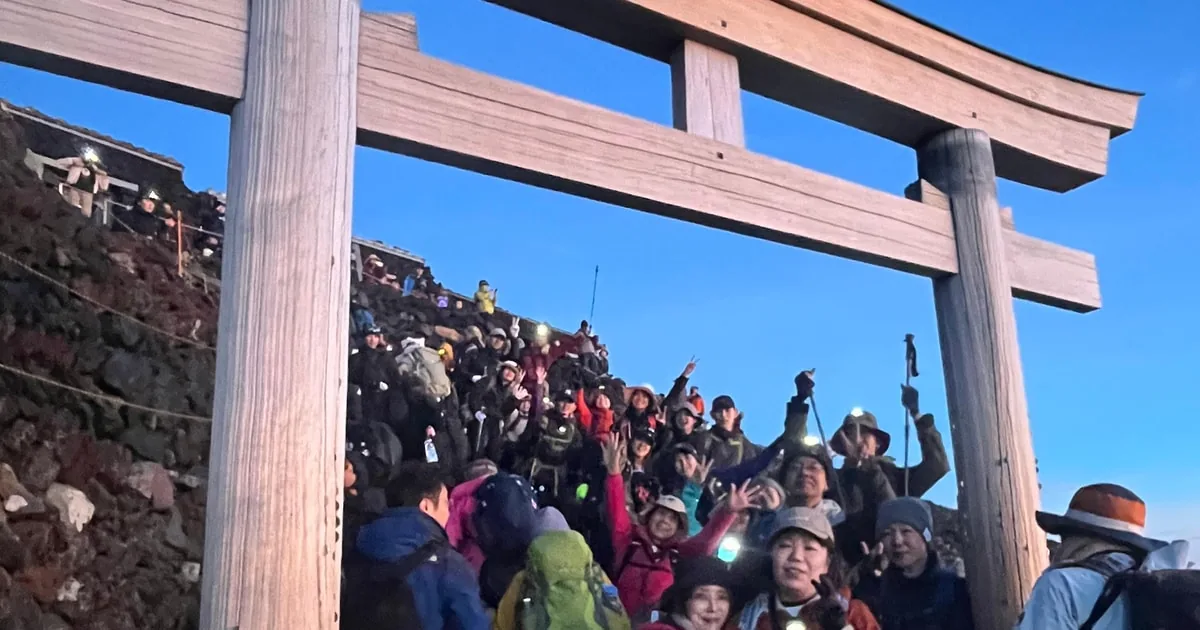
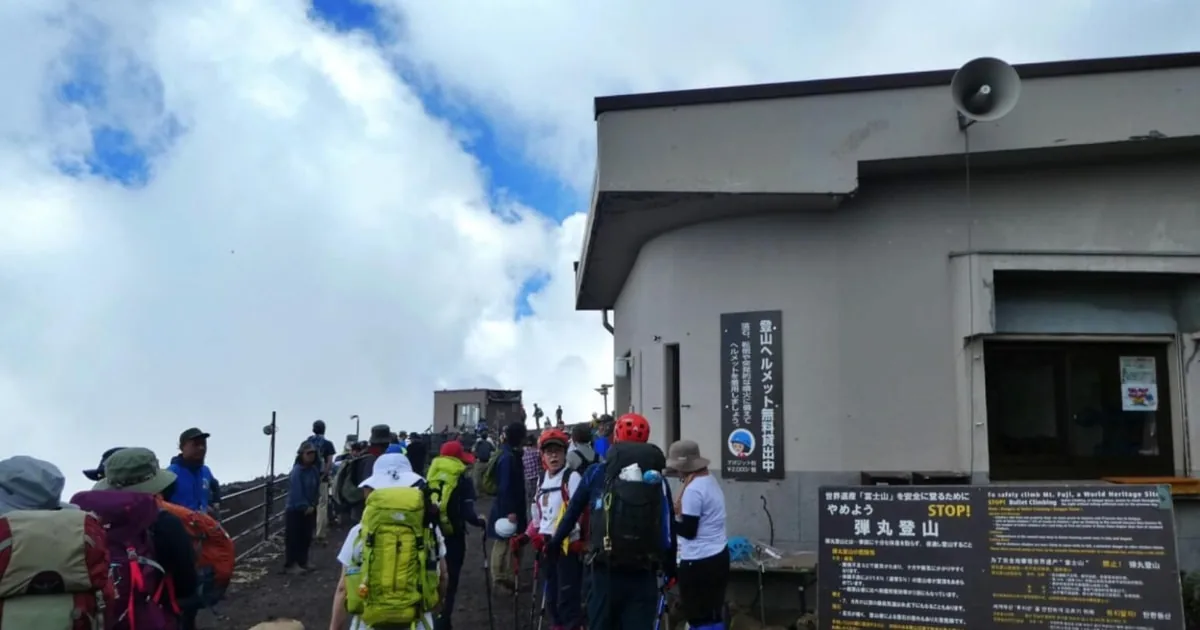
The best time to see Fuji and the best time to climb it are opposites. You can only climb in the official season, from early July to 10 September, when the mountain is clear of snow but often in cloud from below. From November to February the views are at their best, but the summit trails are closed and the huts are shut. What climbing involves is in how hard is Fuji.
Oishi Park, Oshino Hakkai, Chureito Pagoda and Lake Kawaguchi in one day by bus from Tokyo, rated 4.8 from 6,062 reviews.
Check dates for the Five Lakes day tripCan you visit Mount Fuji when the summit is closed?
Yes. You can visit the Fuji Subaru Line 5th Station, at about 2,300 m, by bus for most of the year, snow permitting, without climbing. The lakes, parks and lower trails around the mountain are open all year.
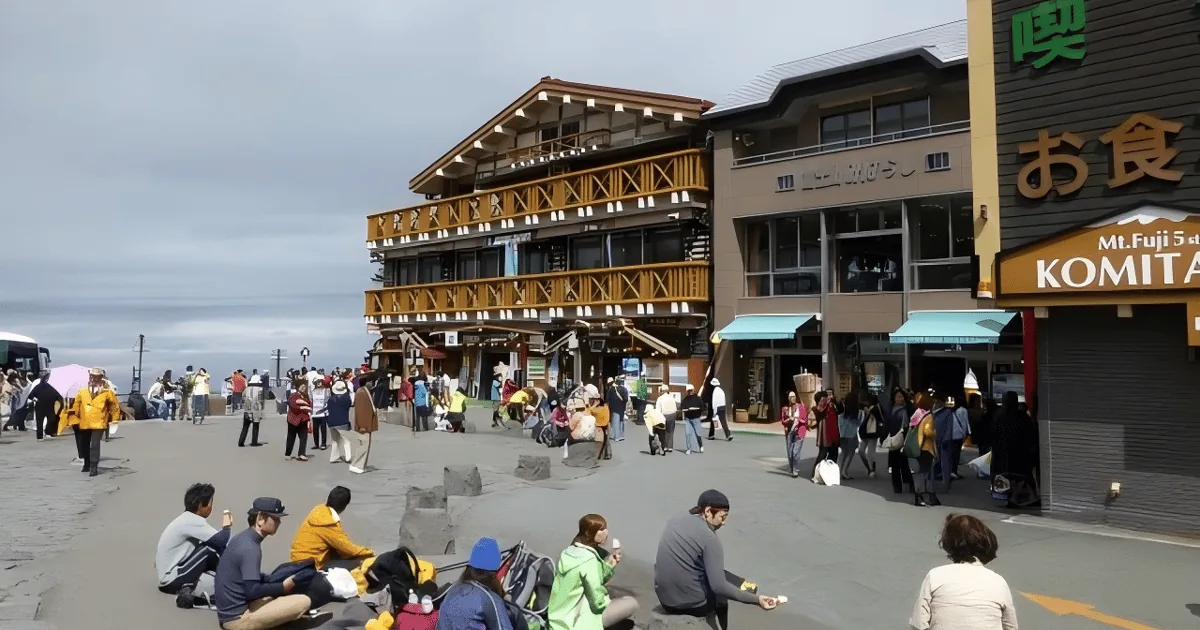
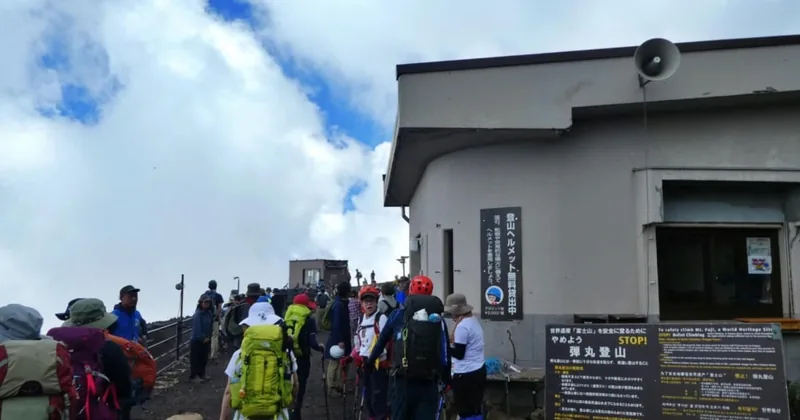
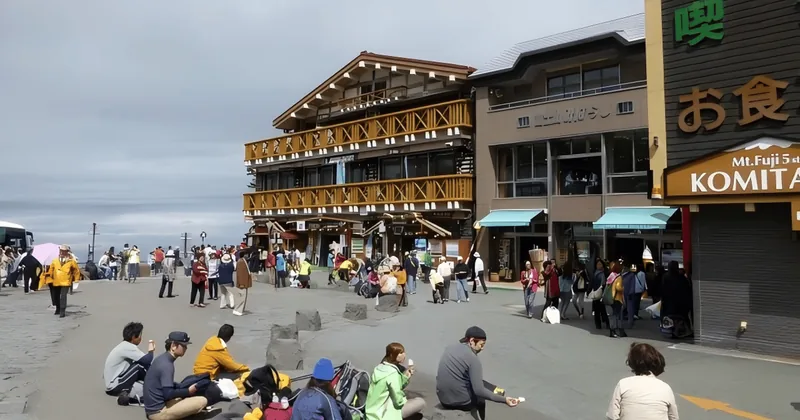
The 5th Station has shops, restaurants and Komitake Shrine, and on a clear day the summit looks close enough to touch. From there the Ochudo trail runs around the mountain at about the same height; some sections have been closed in recent years, so check before you set out. The road climbs above 2,000 m, and from December to March it often closes for snow or requires winter tyres or chains.
Direct highway buses from Shinjuku run to the Fuji Subaru Line 5th Station; outside summer there are fewer, and some go via Kawaguchiko Station, so check the current timetable. Local buses from Kawaguchiko Station take about 50 minutes. Some day tours add the 5th Station when the road is open: the scenic day tour with the 5th Station refunds that part if the road is closed.
How many steps are there to Chureito Pagoda?
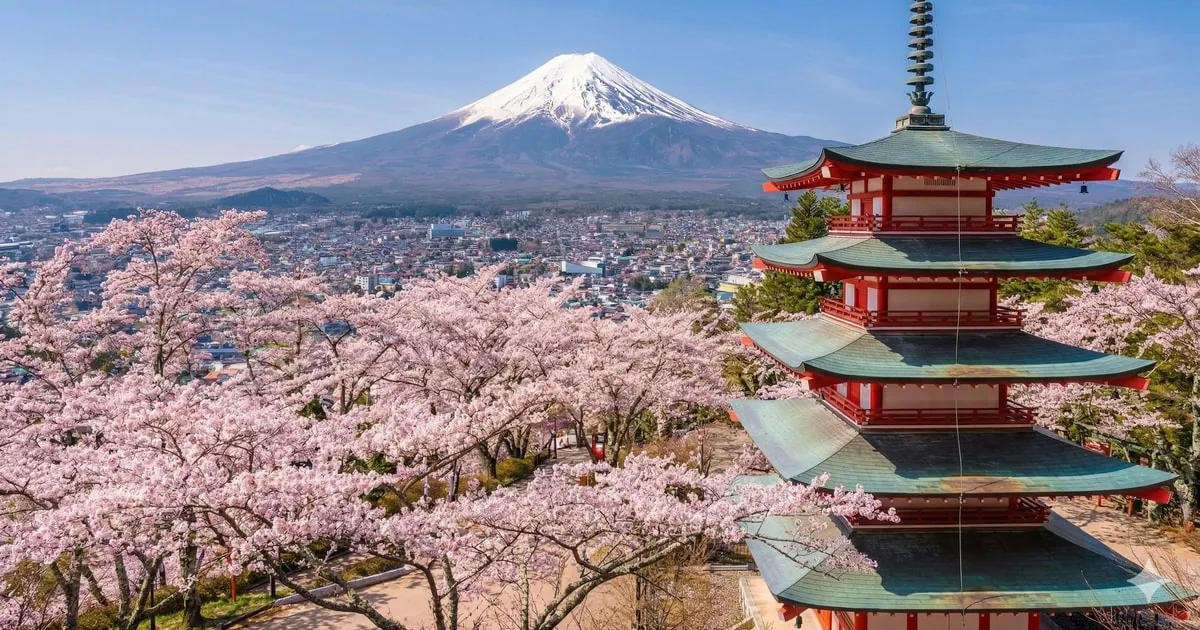
398 steps up through Arakurayama Sengen Park, or a gentler sloping path if you prefer. At the top, the five-storey pagoda frames Fuji in the view seen on countless posters.
The pagoda was built in 1963 as a peace memorial, on the hillside above Arakura Sengen Shrine in Fujiyoshida. It is about 20 minutes on foot from Shimoyoshida Station on the Fujikyu line. The viewing deck is just above the pagoda, so you look across its roof to the mountain.
- Best season: cherry blossom in early to mid April, autumn colour in November, snow on the cone from winter to spring.
- Best time: early morning, for clearer air and fewer people on the deck.
- Crowds: the steps are busy in blossom season; the sloping path is an easier alternative.
- With a tour: most Fuji day tours from Tokyo stop here, and the walk up is the only real climb of the day.
The Panoramic Ropeway, Tenjoyama, Oishi Park, Oshino Hakkai and Chureito Pagoda in one day, rated 4.9 from 632 reviews.
Check dates for the Fuji day trip with the Panoramic RopewayWhere are the best Fuji views at Lake Kawaguchi?
Oishi Park on the north shore, for Fuji across the water, and Tenjoyama, reached by the Panoramic Ropeway or on foot, for Fuji above the lake and the town. Both are easy to reach from Kawaguchiko Station.
- Oishi Park: gardens along the north shore with the mountain across the lake. Lavender flowers from late June to mid July, and the round kochia bushes turn red in autumn.
- Tenjoyama: the Mt. Fuji Panoramic Ropeway rises from the east shore to a viewpoint above the lake. You can also walk up or down the Tenjoyama trail. The ropeway ticket is valid for one day; it is not for people afraid of heights.
- The shoreline: the east and north shores give reflections on still mornings.
- On a tour: most day tours stop at Oishi Park; the Tenjoyama tour also includes the ropeway.
More about the area around the lakes is on the homepage.
Is Aokigahara worth visiting?
Yes. The Aokigahara forest, also called Jukai, is a quiet, mossy forest growing on old lava from Fuji, with marked paths and lava caves that stay at about 0 to 4 °C all year. It is a calm, beautiful walk for all ages.
The forest grows on a lava flow from an eruption over a thousand years ago, so the ground is roots, moss and twisted black rock. The best-known caves, the Fugaku Wind Cave and the Narusawa Ice Cave, have been National Natural Monuments since 1929; bring a layer, because inside they are cold even in August. Stay on the marked paths: the forest floor is uneven and all looks alike.
A guide brings the geology and wildlife to life. Reviewers of the guided nature walk found it beautiful and peaceful, and say the guide cleared up the myths and rumours about the forest.
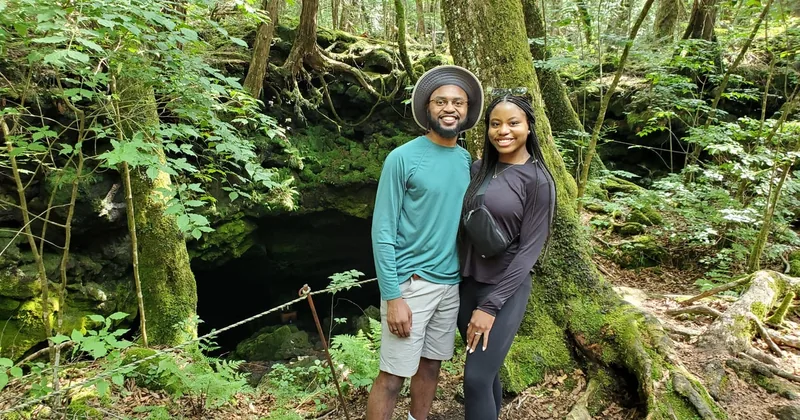
The Aokigahara guided nature walk starts from NaturaBase in Kawaguchiko and follows a quiet trail over old lava to a cave deep in the forest, with commentary on the geology, history and wildlife for the first half and a quieter second half. About 3.5 hours, water included, runs all year; rated 5.0 from 6 reviews, and full refund if you cancel up to 24 hours ahead.
Explore the Aokigahara forest walkWhat are the best easy hikes with a view of Mount Fuji?
Tenjoyama above Lake Kawaguchi, the short walk to the Nakanokura Pass viewpoint at Lake Motosu, the Ochudo trail from the 5th Station, and, for a full day, Mt Mitsutoge. None needs any climbing skill, and they are open much of the year.
- Lake Motosu: the westernmost and deepest of the Five Lakes. A short uphill walk leads to the Nakanokura Pass viewpoint, the view of Fuji over the lake printed on the back of older Japanese banknotes.
- Mt Mitsutoge (1,785 m): a proper day hike north of Lake Kawaguchi with wide views of Fuji and the lakes. Check the route and conditions locally before you set out, especially in winter.
- Tenjoyama: walk up or down beside the ropeway for a lake view with the mountain behind.
- With a guide: the private Lake Kawaguchi hike picks you up at your hotel and tailors a 3-hour route to your fitness, from an easy nature walk to shrines, waterfalls or the Aokigahara caves; the guided forest hike from Gotemba walks 2 hours through the forest below the mountain.
For the summit itself, compare the routes in the trails guide.
Which Mount Fuji day tour from Tokyo should you book?
For a first visit, the Oishi Park, Lake Kawaguchi and Oshino Hakkai day trip, the most booked by far. Choose the Tenjoyama tour for the ropeway view, the 5th Station tour to get onto the mountain, or Hakone for a different region with Fuji in the distance.
None of these tours climbs Fuji, and none can promise the mountain will be clear: the most booked operator says so plainly, and many recent reviewers saw clouds and still enjoyed the day. Book for a winter date if the view matters most, and pick a day early in your trip so you have time to go again. Every tour below offers a full refund if you cancel up to 24 hours ahead; all tours are side by side on the homepage.
| Tour | Main stops | Hiking? | Rating |
|---|---|---|---|
| Oishi Park, Lake Kawaguchi and Oshino Hakkai day trip | Lake Yamanaka, Oshino Hakkai, Oishi Park, a Showa-era street, Chureito Pagoda viewpoint | No; steps at Chureito if you go up | 4.8 (6,062) |
| Mount Fuji and Kawaguchiko tour, optional cruise | Oshino Hakkai, Lake Kawaguchi, optional cruise, the Fujisan World Heritage Center | No | 4.5 (649) |
| Tenjoyama Panoramic Ropeway tour | Panoramic Ropeway, Tenjoyama, Oishi Park, Oshino Hakkai, Chureito Pagoda | Short walks and steps | 4.9 (632) |
| Scenic day tour with the 5th Station | Oishi Park, Arakura Sengen Shrine and Chureito Pagoda, Oshino Hakkai, the 5th Station when open | Short walks and steps | New, no reviews yet |
| Hakone and Mt. Fuji views day tour | Hakone Shrine, Lake Ashi cruise (optional), Hakone Ropeway, Owakudani | No; Fuji from a distance | 4.6 (8,105) |
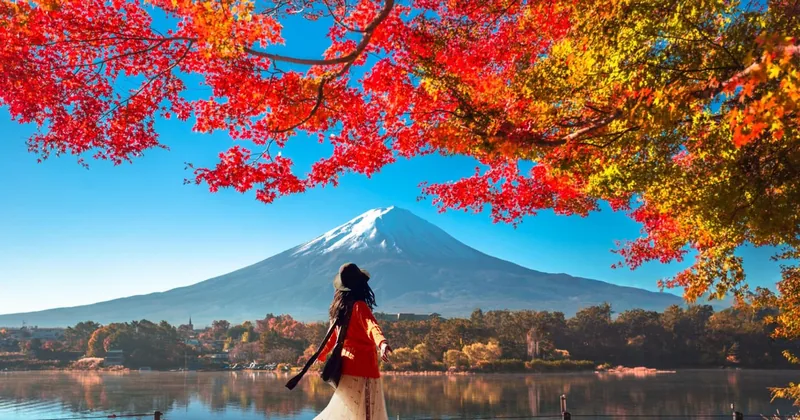
The Oishi Park, Lake Kawaguchi and Oshino Hakkai day trip leaves Tokyo Station at 7:30 or Shinjuku at 8:00 and spends about 10 hours on Lake Yamanaka, the spring ponds of Oshino Hakkai, Oishi Park, a Showa-era street with Fuji at its end and the Chureito Pagoda viewpoint. No hiking; runs all year. Rated 4.8 from 6,062 reviews, and full refund if you cancel up to 24 hours ahead.
Explore the Five Lakes day tripFrequently asked questions
Can you see Mount Fuji from Tokyo?
On clear days, yes, especially on winter mornings from high viewpoints in the city. It is roughly 100 km away, so haze and cloud hide it on many days, above all in summer.
Is it worth going to Mount Fuji if it is cloudy?
Often, yes. The lakes, Oshino Hakkai, Chureito Pagoda and the Aokigahara forest are worth seeing in their own right, and clouds can lift during the day. Check the forecast and live cameras the evening before if your dates are flexible.
Can you go to the 5th Station in winter?
Often, but not always. The Fuji Subaru Line climbs above 2,000 m and from December to March it can close for snow or require winter tyres or chains. Buses run less often outside summer, so check the current timetable.
Are the Fuji day tours suitable for older travellers?
Most are gentle, with short walks and optional steps. The most booked lakes day trip notes that it is not suitable for people over 70, so read the listing carefully if that applies to you.
Ready to book
Choose your hike
Check your date and the live price on GetYourGuide; the refund terms are shown on each option.
Mt Fuji Five Lakes Day Trip from Tokyo
- Tour guide and round-trip bus from Tokyo
- Lake Yamanaka, Oshino Hakkai and Oishi Park
- Arakurayama Sengen Park, the Chureito Pagoda view
Aokigahara Forest Guided Nature Walk
A quiet trail over old lava and a cave deep in the Jukai forest
Kawaguchiko Day Trip with Lake Cruise
Oshino Hakkai, time at Lake Kawaguchi and the World Heritage Center