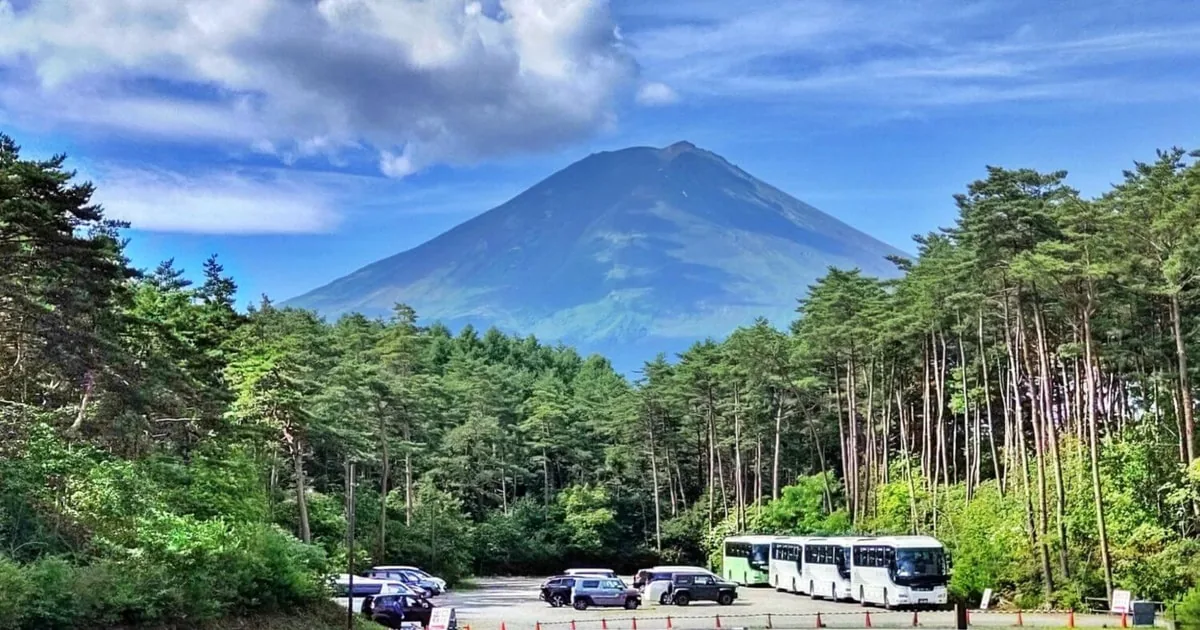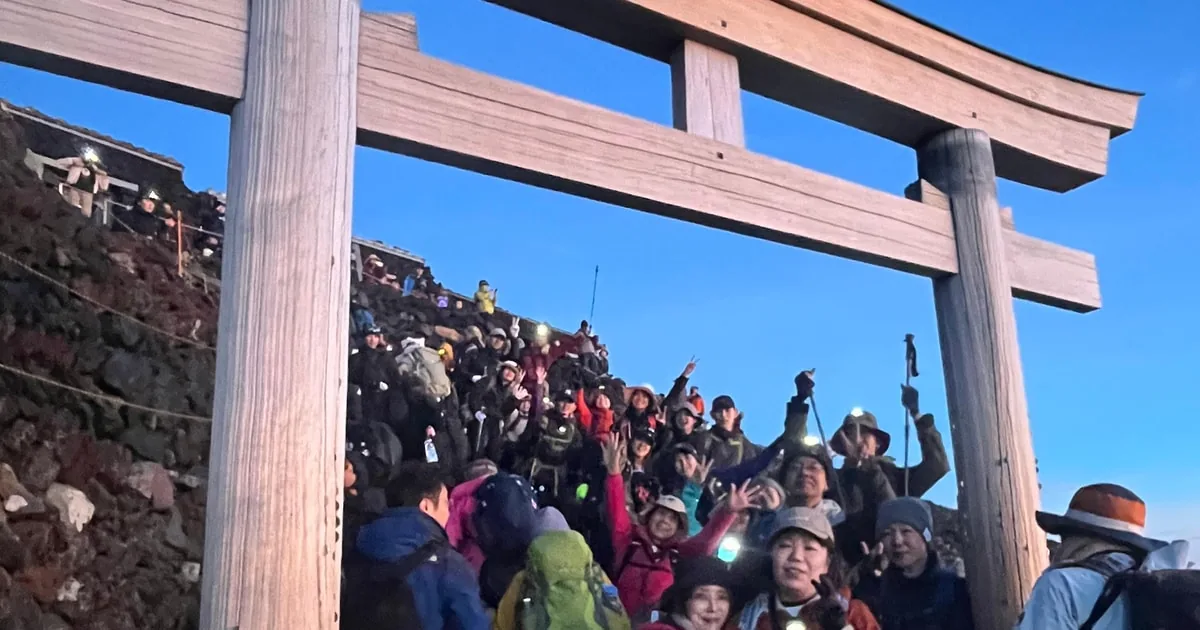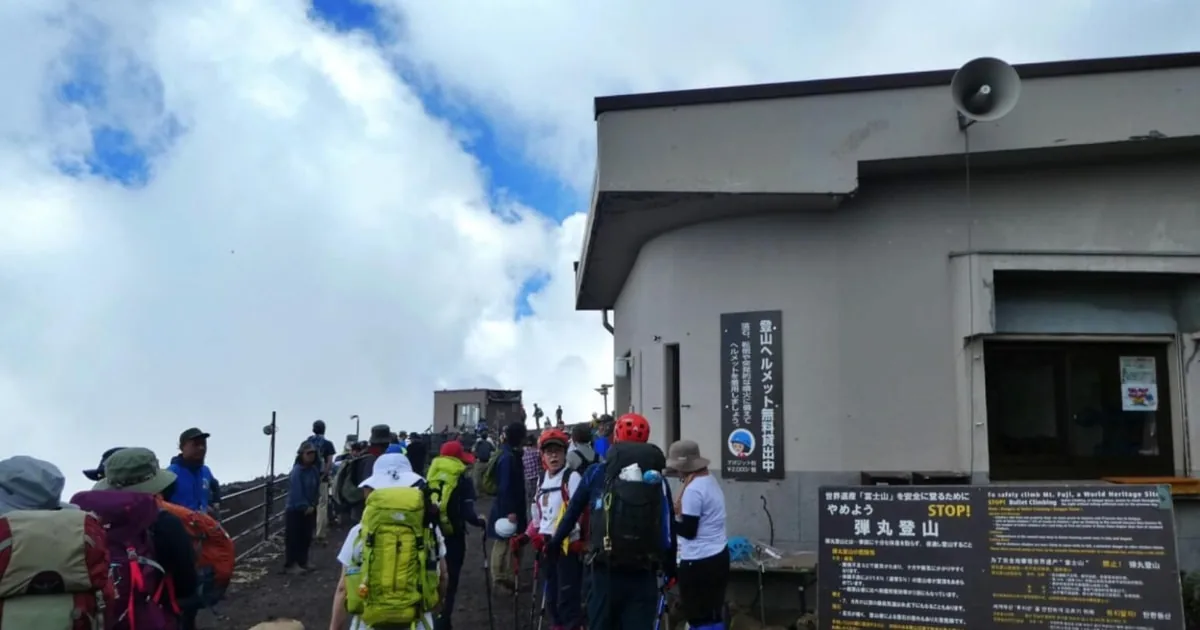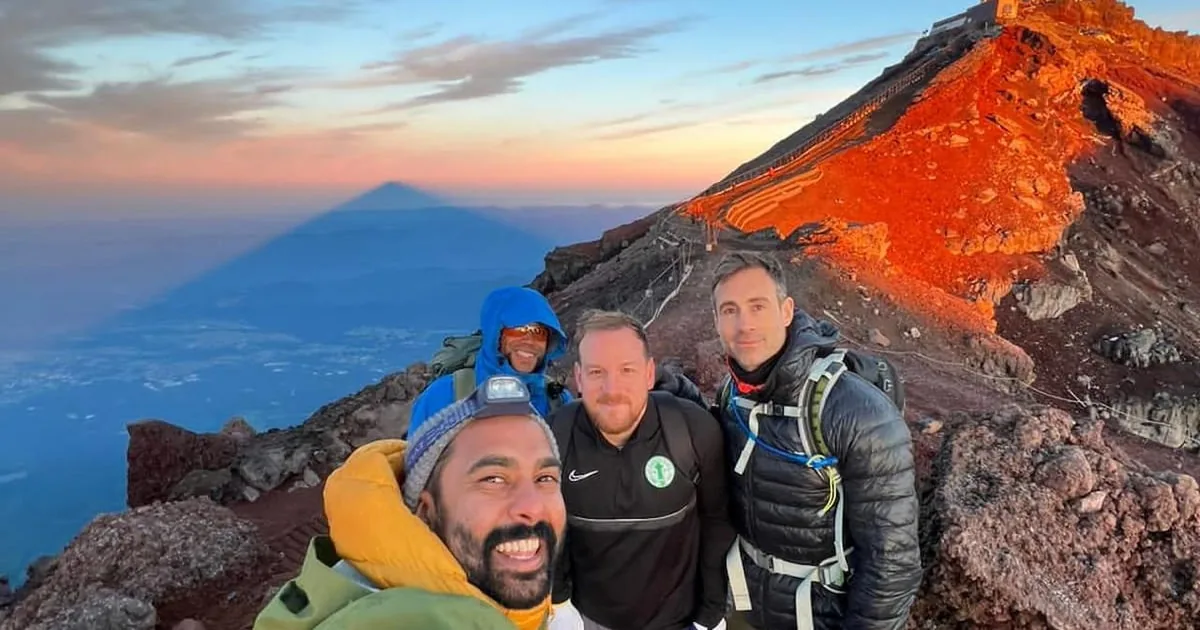
Booking choice: The 2-day sunrise climb from Tokyo, ★ 5.0 (5). Check dates Compare the options below
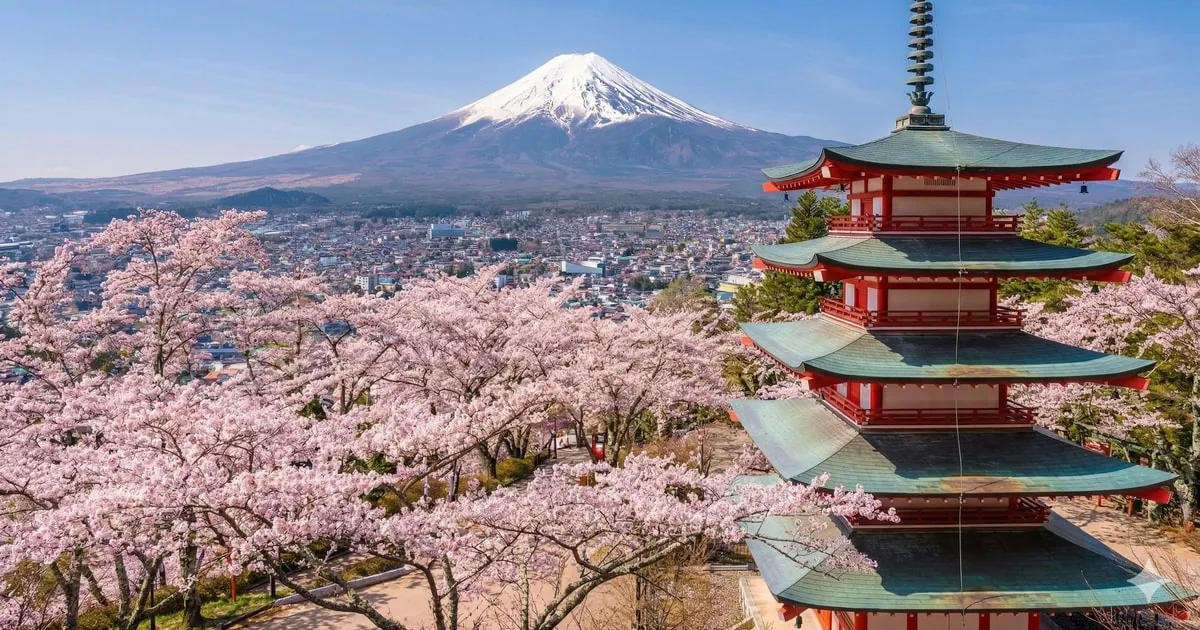
Japanese calls going up Fuji tozan, climbing, and the word makes many first-timers nervous. In the summer season the reality is different: you follow wide, marked trails from one of four 5th stations, between 1,440 m and about 2,400 m, to the crater rim at about 3,700 m and the highest point, Kengamine, at 3,776 m. There are no ropes, no ladders to master and no climbing skills involved. What makes Fuji hard is the length of the day, the loose volcanic ground, the cold at the top and the altitude, which catches out fit people who go too fast.
This guide answers the questions people ask before their first climb: whether a beginner or an average person can do it, how difficult it really is, how many hours each trail takes, the best way to go, oxygen and altitude sickness, how to train, what age is right, and how Fuji compares with Kilimanjaro. The four trails in detail are in the trails compared, the huts and the sunrise in one day or overnight, and the season, fees and entry rules in the rules for 2026.
The quick answer
Yes, a beginner can climb Mount Fuji, and so can most people of average fitness, but it is a long and tiring day. In season (early July to 10 September) it is a non-technical hike on marked trails; the 2026 season ended on 10 September, so any climb you plan now is for next summer. The official walking times are about 5 to 9 hours up and about 2.5 to 3.5 hours down, depending on the trail. Altitude is the real challenge: most people feel it above about 3,000 m, and a night in a mountain hut, a slow pace and plenty of water matter far more than oxygen cans. Fuji is safe to climb when you go in season, stay a night in a hut, walk slowly, and carry warm clothes and rain gear. There is no legal age limit; most guided climbs take children from about nine or ten, and people in their 60s and beyond reach the top every summer.
Can a beginner or the average person climb Mount Fuji?
Yes. Every summer thousands of first-time hikers reach the summit, most of them with no mountain experience. What you need is the stamina for a long day on your feet, warm and waterproof clothing, and the patience to walk slowly at altitude.
A beginner on Fuji is someone who has walked in hills or cities for a few hours at a time but never been high up. That is enough, as long as you respect three things: the season, the altitude and the weather. In the season the trails are marked, huts sell drinks and snacks, first-aid stations are open on the busier trails and staff at the 5th stations check that you are ready. Outside it, the summit trails are closed and the huts are shut.
The average person can do it too, if average means you can walk uphill for several hours with a small backpack and still enjoy the day after. If you rarely walk more than an hour, give yourself a few weeks of training first (see below). Yamanashi Prefecture advises climbers without mountain experience to go with a professional guide; what a guide adds, and when you can manage without one, is in climbing with a guide or without.
How difficult is the climb up Mt. Fuji?
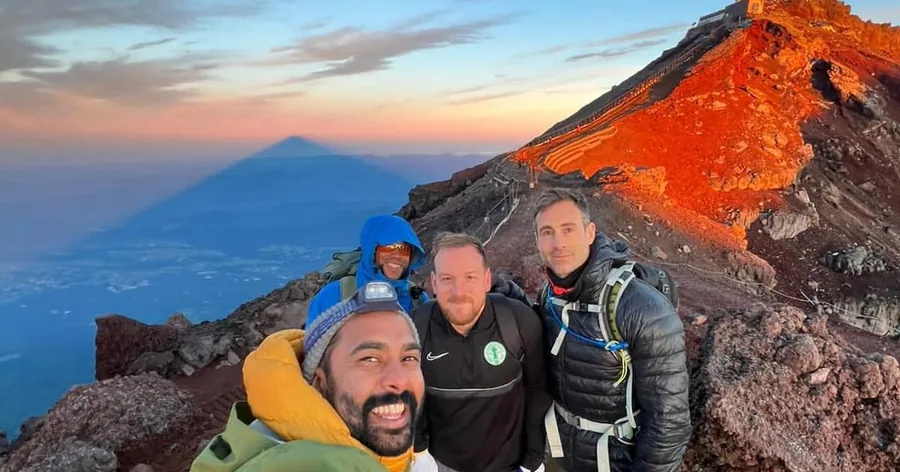
Moderately hard to hard, but never technical. The difficulty comes from the length of the day, a steep and loose path, the thin air above about 3,000 m and the cold near the summit, not from the terrain itself.
- The length: 5 to 9 hours up and 2.5 to 3.5 hours down, spread over two days for most people. Your legs feel the descent more than the climb.
- The ground: loose volcanic gravel and scree, with rocky, uneven steps on the upper sections of some trails. Poles and high-cut boots help a lot.
- The altitude: at the summit the air holds about a third less oxygen than at sea level. You breathe harder, walk slower and may get a headache.
- The cold and wind: even in August the summit averages only about 6 °C, and it drops near 0 °C before sunrise. Wind makes it feel colder.
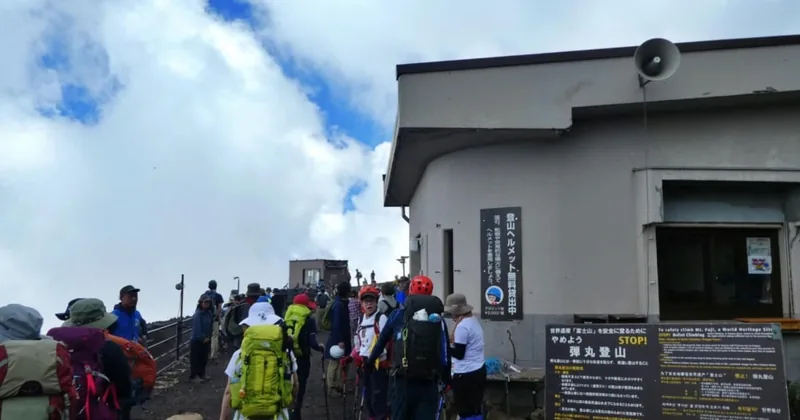
- The crowds: on the busiest trails in peak weeks you may queue on the last stretch before dawn, which is slow but also gives you rests.
- The weather: rain, fog and summer thunderstorms come quickly. Two-piece rain gear is essential, and on the Yoshida Trail it is checked at the gate.
What makes it easier: a night in a hut, a pace at which you can still talk, and small, regular breaks rather than long stops.
Let a guide set the pace: a 2-day sunrise climb from Tokyo with one guide for every six climbers, gear rental included and a hut night near the crater rim.
Check dates for the 2-day sunrise climb from TokyoHow many hours does it take to climb Mount Fuji?
The official walking times are about 5 to 9 hours up and about 2.5 to 3.5 hours down, depending on the trail. Add breaks, a night in a hut and perhaps the crater walk, and most climbers spend two days on the mountain.
The figures below come from the official climbing site and are walking times without long stops. Beginners often take longer, especially above the 8th station, where the air is thin and the path gets steeper. Plan on starting at the 5th station in the late morning or around midday, walking to a hut in the afternoon, and setting off again in the early hours for the summit.
If you want to add the walk around the summit crater, allow about 1 to 1.5 hours more. How a two-day climb fits together, with the hut night and the sunrise, is in one day or overnight; which trail suits you is in the trails compared.
| Trail | Starts at | Distance up | Up | Down |
|---|---|---|---|---|
| Yoshida | 2,305 m | 6.8 km | About 6 h 10 min | About 3 h 35 min |
| Subashiri | 2,000 m | 6.9 km | About 6 h 25 min | About 3 h 20 min |
| Gotemba | 1,440 m | 10.5 km | About 8 h 40 min | About 3 h 30 min |
| Fujinomiya | About 2,400 m | 4.3 km | About 5 h 10 min | About 2 h 40 min |
What is the best way for a beginner to climb Mt. Fuji?
Go in the official season, take two days with a night in a mountain hut, choose a trail with plenty of huts (the Yoshida Trail is the usual first choice) or book a guided climb, and walk more slowly than feels necessary.
- Pick your dates: the trails open in early July and close on 10 September. Weekdays and the first half of July are usually quieter than the Japanese summer holidays in August.
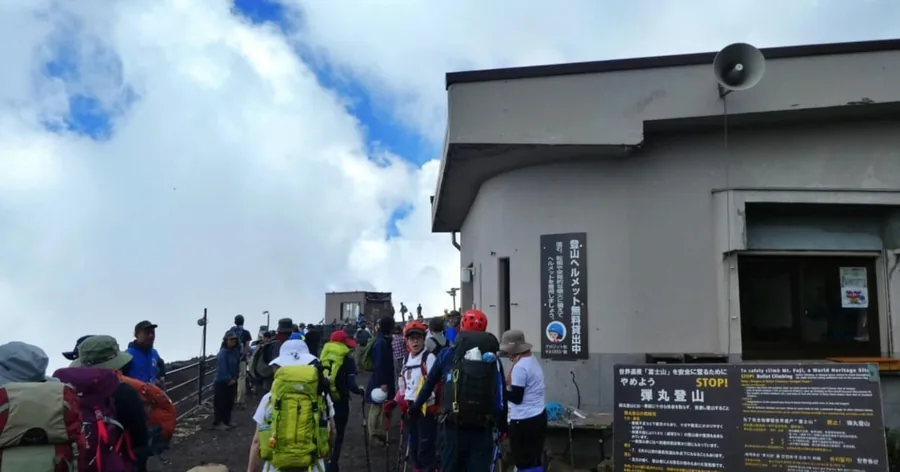
- Sleep on the mountain: a hut night lets your body adjust to the altitude and breaks the climb in two. Overnight climbs without a hut are no longer possible anyway: between 2 pm and 3 am the trails are open only to climbers with a hut reservation.
- Choose a trail with huts: the Yoshida Trail has the most huts and separate paths up and down; officials describe it as the easier choice for first-timers, although it is also the busiest.
- Or go with a guide: a guide books the hut, handles registrations and fees, sets the pace and decides when the weather is safe.
- Walk slowly: small steps, steady breathing and a short break every hour. If you are overtaking people on the first day, you are going too fast.
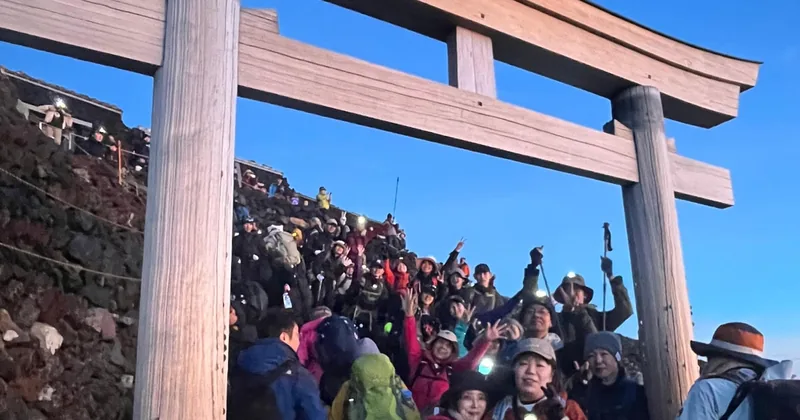
- See the sunrise from where you are: the sunrise from the 8th or 9th station is as good as from the summit and avoids the pre-dawn queue at the top.
The guided options, with their honest review counts, are compared in climbing with a guide or without.
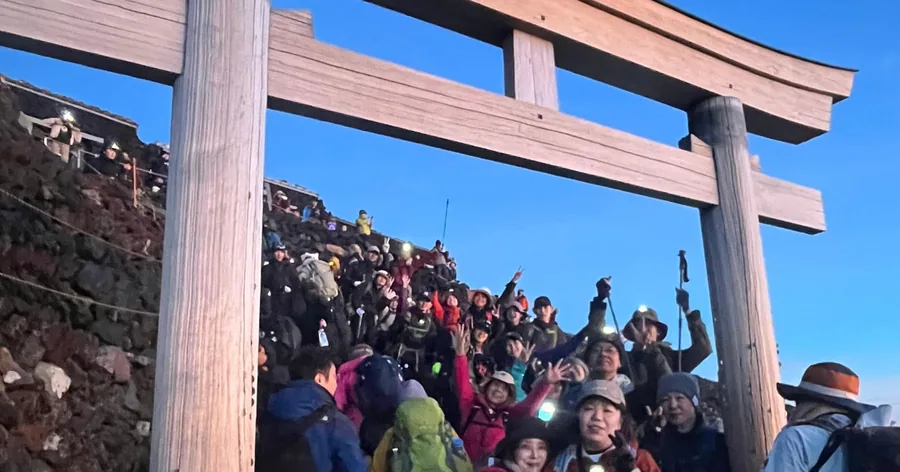
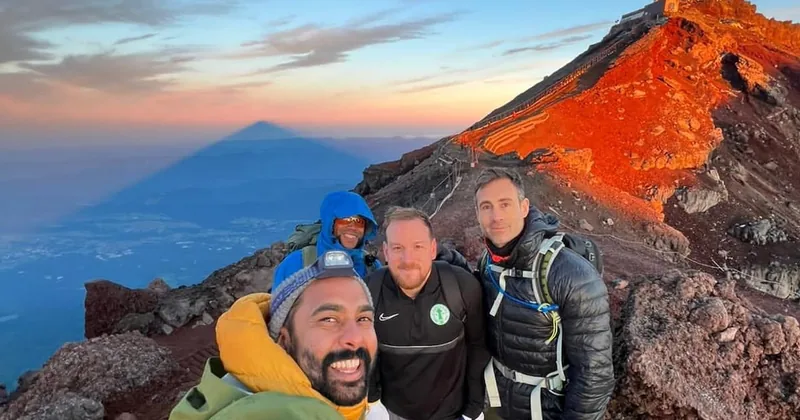
The 2-day sunrise climb from Tokyo goes up the Fujinomiya Trail with one guide for every six climbers. Pickup is in Shinjuku early in the morning, or you meet at the Gotemba base; gear fitting and hiking gear rental are included, and the night is in a hut near the crater rim with dinner and breakfast, about 20 minutes below the summit. Registrations and climbing fees are handled for you. Rated 5.0 from 5 reviews; summer season only; full refund if you cancel up to 24 hours ahead.
Explore the 2-day sunrise climb from TokyoDo you need oxygen to climb Fuji?
No. Small cans of oxygen are sold at the 5th stations and in huts, but they are not required and are no substitute for a slow pace, a hut night and plenty of water.
Altitude sickness is common on Fuji because people go from the 5th station to well above 3,000 m within a few hours. It usually starts as a headache, sometimes with nausea, dizziness, poor sleep or unusual tiredness. For most people it stays mild. The calm, sensible response is the same everywhere in the mountains:
- Before: spend an hour or so at the 5th station before you start, to let your body adjust. Sleep well the night before.
- On the way up: walk slowly, breathe deeply, drink water regularly and eat small snacks. Avoid alcohol.
- At the hut: rest, drink and keep warm. A night at altitude is the single best way to adjust.
- If symptoms appear: stop, rest and drink. If they ease, carry on slowly.
- If they get worse or do not ease: go down. Symptoms usually improve quickly once you descend, and turning back is always the right call.
If you have a heart or breathing condition, talk to your doctor before you plan a climb; the guided climbs on this site are not suitable for people with those conditions.
How should you train for Mount Fuji?
Build up to walking uphill for five or six hours with a light backpack, ideally over several weeks. Stairs, hills and long walks on two days in a row are the best preparation; the descent is where untrained legs suffer most.
- Six to eight weeks out: walk three or four times a week, 45 to 90 minutes, with some hills or stairs in every session.
- Four weeks out: add one long walk a week of three to five hours, with a daypack of about 5 kg and the boots you will wear on Fuji.
- Two to three weeks out: do a long walk on two days in a row, to feel what the second day is like on tired legs.
- Practise going down: long descents are hard on knees and thighs. Walk down steep hills or many flights of stairs, and learn to use trekking poles.
- Break in your boots: never climb Fuji in new boots. High-cut boots protect your ankles on the loose gravel.
- The last week: rest more, sleep well and eat normally.
Gym work helps, but walking uphill for hours is what you will actually do. If you can manage a day like that at home and still feel fine the next morning, you are ready for Fuji.
Your own guide, your own space and your own pace: a private 2-day summit climb on the trail you choose, with the climbing fee included.
Check dates for the guided 2-day summit climbWhat age can you climb Mount Fuji?
There is no legal age limit. The official site notes that most climbing tours accept children from the fourth grade of school, about nine or ten years old, and at the other end of life fitness matters much more than age.
Children: children tend to be more sensitive to altitude than adults, and they may not tell you early when they feel unwell. If you climb with children, stay at least one night in a hut, go slowly, keep them warm and be ready to turn back. Some families climb only as far as the 6th or 7th station and enjoy the views without aiming for the summit.
Older climbers: people in their 50s, 60s and beyond reach the top every summer. Train for a few months, plan a hut night, allow more time than the official walking times, and use poles for the descent. If you have a heart or breathing condition, check with your doctor first. The same applies to higher mountains: age matters less than fitness and a gradual climb.
Which is harder, Kilimanjaro or Fuji?
Kilimanjaro, clearly. It is about 5,895 m high, some 2,100 m higher than Fuji, and usually takes 5 to 9 days with a licensed guide; Fuji is usually one night and two days.
Both are non-technical: on neither mountain do you need ropes or climbing skills. The difference is altitude and time. On Kilimanjaro you spend several nights high up, sleep in tents and climb the final stretch through the night to a summit where the air holds about half the oxygen of sea level. On Fuji the altitude is lower, the whole climb fits into a weekend, and huts, food and toilets line the busier trails.
Fuji is often a first high mountain for people who later go further, and it is a good test of how your body copes with altitude. Many hikers use it that way. If you want a gentler version with more time to adjust, a three-day climb spreads the ascent over two nights.
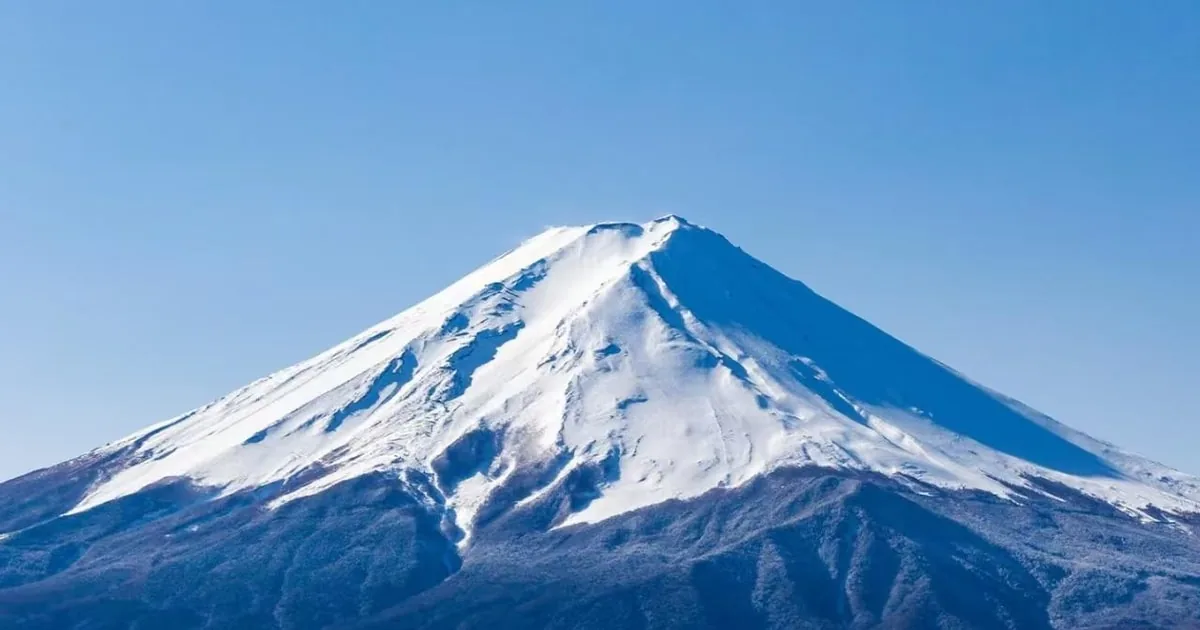
Fuji at a gentler pace: three days and two nights, a lodge near the trailhead, a hut at the 8th station and the sunrise away from the summit crowds.
Check dates for the 3-day guided Fuji hikeFrequently asked questions
Which of the 7 summits is hardest?
Mount Fuji is not one of the Seven Summits, the highest peaks of each continent. Among them, Everest is the highest, while Denali in Alaska and Vinson in Antarctica are often called the hardest because of their cold, remoteness and expedition logistics. Fuji is a very different kind of mountain: a summer hike of two days.
Is 50 too old to climb Kilimanjaro or Fuji?
No. For both mountains, age matters less than fitness and time to adjust to the altitude. People in their 50s, 60s and beyond climb both every year. Train well, choose a longer itinerary on Kilimanjaro and a hut night on Fuji, and check with your doctor if you have a heart or breathing condition.
Can you climb Mount Fuji right now?
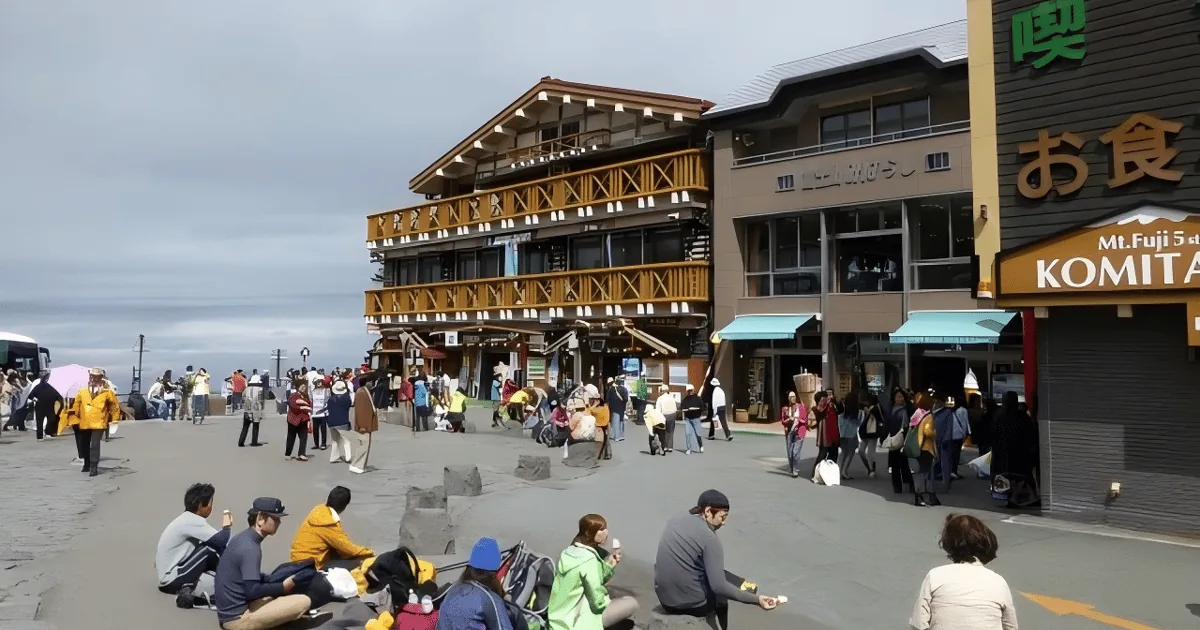
No. The 2026 season ended on 10 September. The summit trails are closed and the huts are shut until next summer, and officials strongly advise against climbing. You can still visit the Fuji Subaru Line 5th Station by bus for most of the year, snow permitting, and walk at the foot of the mountain: see the best time to see Fuji.
Is Mount Fuji safe for beginners?
Yes, when you do it the right way. Fuji is safe to climb when you go in season, stay a night in a hut, walk slowly, and carry warm clothes and rain gear. Follow the staff at the 5th stations and turn back if the weather or your body tells you to.
Ready to book
Choose your hike
Check your date and the live price on GetYourGuide; the refund terms are shown on each option.
2-Day Sunrise Climb from Tokyo, Hut Stay
- Guided climb with one guide to six guests
- Hiking gear rental and a safety briefing
- Hut night near the top with dinner and breakfast
Guided 2-Day Summit Climb, Your Route
- A professional mountain guide, just for your group
- The Mount Fuji climbing fee
- Transport as in the option you choose
3-Day Guided Fuji Hike with Two Nights
A lodge night below, an 8th station hut, sunrise away from the summit crowds